April Tinsley
Eight-year-old April Tinsley was abducted and killed in Fort Wayne, Indiana, in 1988. Her case stayed cold for thirty years, until forensic genetic genealogy finally identified her killer in 2018.
Section I · The Index
The ones that refused to stay cold.
Files that sat untouched for years, sometimes decades, and the DNA, dogged detectives, or single overlooked detail that finally broke them open.
9 cases reported in full

Eight-year-old April Tinsley was abducted and killed in Fort Wayne, Indiana, in 1988. Her case stayed cold for thirty years, until forensic genetic genealogy finally identified her killer in 2018.

How investigative genetic genealogy and a citizen sleuth finally gave names to four victims found in barrels in New Hampshire's Bear Brook State Park, decades after their deaths.

How investigators, volunteers, and forensic genealogists spent 65 years restoring a name to Philadelphia's 'Boy in the Box,' identified in 2022 as Joseph Augustus Zarelli. His identity is now known; his murder is not.

In 1986, nursing director Sherri Rasmussen was murdered in her Los Angeles condominium, and police wrote it off as a botched burglary. More than two decades later, a preserved swab of DNA identified the killer as a serving LAPD detective.

In 1974, 17-year-old Carla Walker was abducted from a Fort Worth bowling-alley parking lot and murdered. The case went cold for 46 years until forensic-grade genome sequencing by the Texas lab Othram identified Glen Samuel McCurley, who pleaded guilty in 2021.

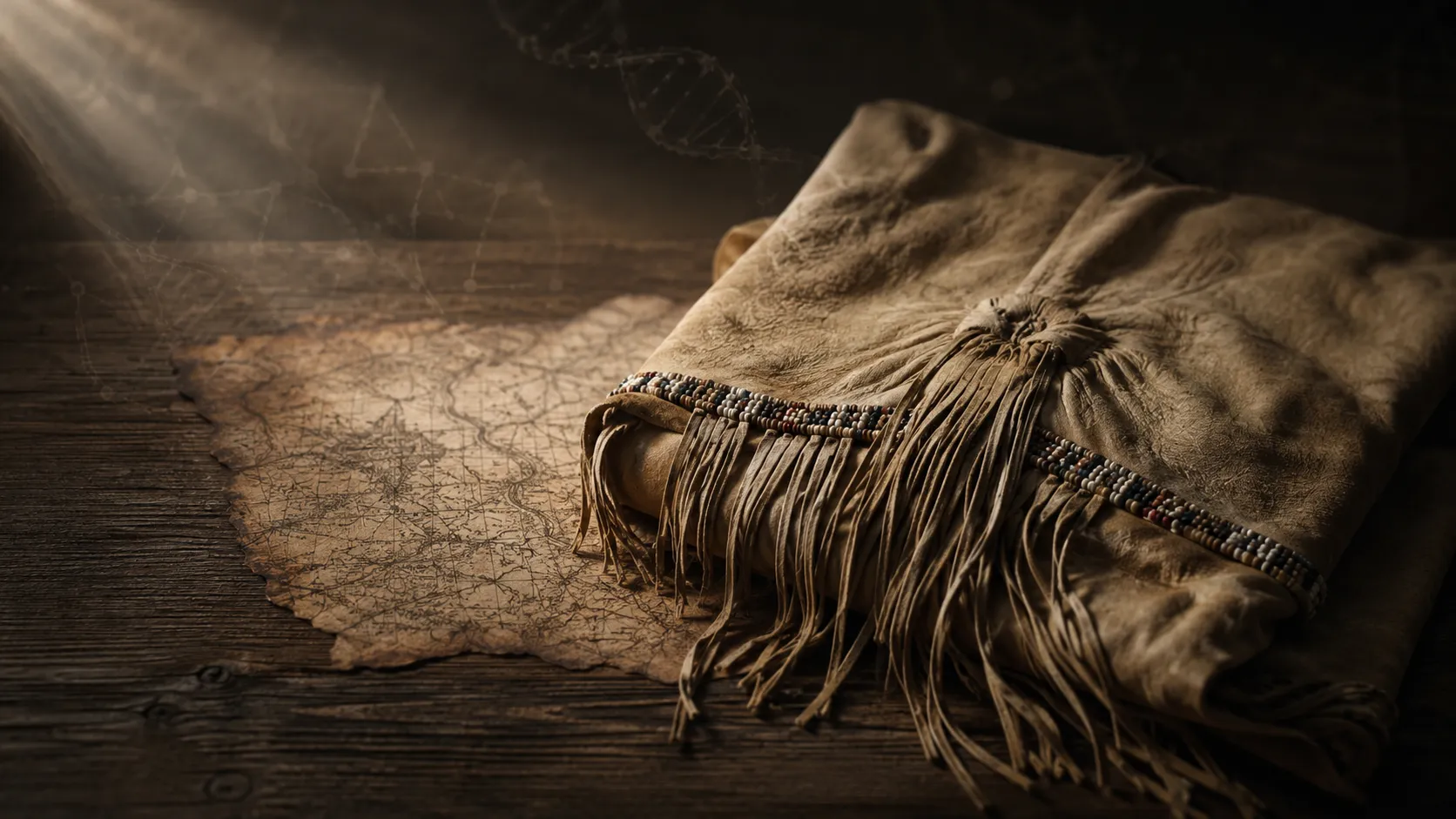
In 1981 a young woman in a buckskin poncho was found murdered near Troy, Ohio, and went unnamed for 37 years. In 2018 the DNA Doe Project used investigative genetic genealogy to restore her name: Marcia Lenore King. Her killer is still unknown.

A long-running serial-murder investigation around Seattle and the Green River, beginning in 1982 and closed two decades later when DNA evidence identified the killer.

Twelve-year-old Jonelle Matthews vanished from her Greeley, Colorado home in 1984. Her remains surfaced in 2019, and a former neighbor was convicted of her murder.

How investigators used investigative genetic genealogy and the GEDmatch database to identify the Golden State Killer, Joseph James DeAngelo, a former police officer hidden in plain sight for four decades.
About this section